GPS Tracking for Vehicles and Fleets: The Complete Guide to Choosing a GPS Tracker
Whether you manage a small service team, a growing delivery operation, or a multi-state fleet, GPS tracking
can turn day-to-day vehicle movement into actionable data. The right GPS tracker helps you answer the questions
that matter most: Where are my vehicles right now? Are routes efficient? Are drivers arriving on time? Which assets are underused?
And when something goes wrong—like a late delivery or a missing trailer—can we see what happened and respond quickly?
In this guide, we’ll break down how GPS tracking works, what to look for in a GPS tracker,
and which features deliver the biggest operational improvements. We’ll also cover best practices for implementation so you can
improve visibility, accountability, and customer service without creating extra administrative work.
What Is GPS Tracking?
GPS tracking is the use of a device (a GPS tracker) to capture location data from satellites and
transmit it to a software platform where you can view vehicle location, trip history, and related activity. Modern tracking systems
typically combine satellite positioning with cellular data networks, allowing your tracking platform to update vehicle position at
frequent intervals—often in near real-time.
For businesses, this means you can monitor vehicles, equipment, and mobile crews from a single dashboard. Instead of relying on
phone calls, manual logs, or guesswork, you can verify routes, confirm arrival times, and maintain a reliable record of vehicle
activity. For personal use, a GPS tracker can help recover stolen vehicles, monitor teen drivers, or keep an eye on
valuable assets.
How a GPS Tracker Works
A GPS tracker uses signals from GPS satellites to calculate its location. Depending on the device type, it may also
use supplemental technologies like assisted GPS (A-GPS) to improve time-to-location and reliability in difficult environments.
Once the location is determined, the tracker sends that data—usually over a cellular connection—to your tracking software.
Most commercial GPS tracking systems store additional details as well, such as speed, heading, ignition status,
stop duration, and mileage. When paired with alerts and reporting tools, this information becomes a powerful operational resource:
you can reduce wasted time, improve safety, and create a measurable record of service for customers.
Why Businesses Use GPS Tracking
The biggest reason companies adopt GPS tracking is simple: it improves visibility. When you can see where your
vehicles are, you can make better decisions faster. But the benefits go far beyond location. A strong GPS tracker
solution can support your business in multiple ways:
- Improve routing and dispatch: Assign the closest driver to the next job and reduce drive time.
- Increase on-time performance: Verify ETAs and keep customers informed with accurate arrival updates.
- Reduce fuel and labor waste: Identify long idles, inefficient routes, and excessive unauthorized stops.
- Support driver safety: Monitor speeding patterns and create coaching opportunities.
- Protect vehicles and assets: Set geofence alerts and recover stolen equipment faster.
- Streamline recordkeeping: Use trip history and reports to simplify mileage and job validation.
Common GPS Tracking Use Cases by Industry
GPS tracking is used across countless industries because nearly every business depends on time, movement, and
accountability. Below are some of the most common applications of a GPS tracker for vehicles and fleets:
Field Services and Contractors
Plumbers, electricians, HVAC teams, restoration companies, and other field service providers often manage multiple technicians
across a wide service area. A reliable GPS tracker lets dispatchers identify the closest crew, improve scheduling,
and document service completion. When customers call asking “When will they arrive?”, real-time GPS tracking helps
your team answer with confidence.
Delivery, Logistics, and Transportation
Delivery operations depend on accurate routing and time windows. GPS tracking supports route optimization, helps
confirm delivery timelines, and can reduce disputes by providing a clear record of stops. For larger fleets, fleet reporting can
reveal performance trends that lead to better operational planning.
Construction and Equipment Management
Job sites can be dynamic environments where trucks, trailers, and equipment move frequently. A GPS tracker can help
you reduce loss, monitor utilization, and know where assets are parked after hours. Geofence alerts can notify you if equipment is
moved unexpectedly.
Auto Dealers and Inventory Protection
Dealerships use GPS tracking to protect inventory and manage vehicle movement. If a vehicle is moved off-lot without
authorization, alerts can trigger immediate action. Tracking can also support dealer logistics when shuttling vehicles between lots
or moving cars to and from service facilities.
Schools, Municipalities, and Public Services
Public-sector organizations often use GPS tracking for buses, public works vehicles, and community transportation.
Tracking improves accountability, scheduling, and transparency—especially when service times matter. Many organizations also use
alerts and reporting to help maintain operational standards.
Key Features to Look For in a GPS Tracker
Not all tracking systems are the same. The best GPS tracker for your vehicles depends on how you operate, how often
you need updates, and what you want to measure. Here are the most important features to consider when evaluating a
GPS tracking solution:
Real-Time Location and Update Frequency
Real-time GPS tracking typically means frequent updates and an easy-to-read live map. Some operations only need a few
updates per hour; others benefit from updates every minute or less. Think about how dispatch works in your business. If you schedule
jobs tightly or need precise arrival validation, higher-frequency updates may be worth it.
Trip History and Playback
Location history allows you to review routes, stops, and mileage. Trip playback can visually show where a vehicle traveled, which is
helpful for route audits, verifying service visits, and investigating incidents. A strong history tool can make GPS tracking
useful even when you’re not actively monitoring the live map.
Geofencing Alerts
Geofences are virtual boundaries drawn around job sites, yards, customer locations, or restricted zones. When a vehicle enters or leaves,
your GPS tracker can trigger alerts. Geofencing supports job verification, yard security, and after-hours monitoring.
Idle Time and Stop Reports
Excessive idling can increase fuel usage and wear on vehicles. Stop and idle reporting helps you identify patterns—like vehicles sitting
too long between jobs or idling during breaks. These insights can reduce costs and improve productivity without adding workload.
Driver Behavior Insights
Many tracking platforms provide insights into speeding, harsh driving, and other behaviors. Used correctly, this is not about “gotcha”
monitoring; it’s about safety and coaching. With the right reporting, GPS tracking helps you identify trends and address
risk before it becomes a serious problem.
Mobile-Friendly Dashboard
You shouldn’t have to be at a desk to manage your operation. A mobile-friendly tracking interface gives managers and dispatchers quick
access to vehicle location, alerts, and status updates from anywhere. That’s especially valuable for owners and supervisors who spend time
in the field.
Hardwired vs. Plug-In vs. Battery-Powered GPS Trackers
Choosing the right form factor is just as important as choosing features. Here’s how the most common GPS tracker types compare:
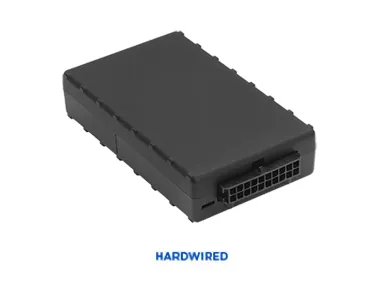
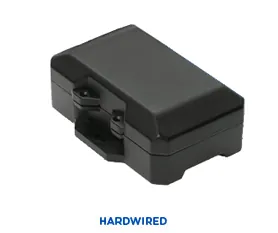
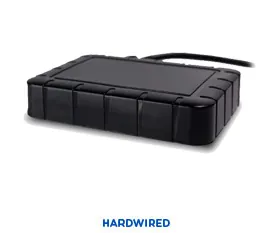
Hardwired GPS Tracker
Hardwired trackers connect directly to the vehicle’s power system. This option is ideal for long-term fleet tracking because the device
stays powered without needing recharging. Hardwired GPS tracking is commonly used for service fleets, delivery vehicles,
and company-owned trucks where consistent uptime is a priority.
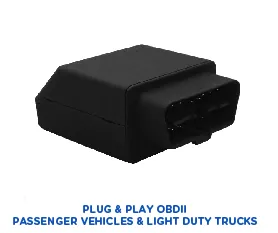
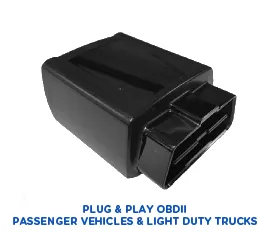
OBD Plug-In GPS Tracker
OBD trackers plug into the diagnostic port in many passenger vehicles and light-duty trucks. Installation is fast and easy, making it a
popular choice for smaller fleets or quick deployments. However, the OBD port location can make the device more accessible, and some
businesses prefer a more discreet installation depending on the use case.
Battery-Powered GPS Tracker
Battery-powered trackers are often used for trailers, equipment, and assets that don’t have consistent power. They can be a great fit for
monitoring high-value equipment or seasonal assets. Battery life depends on update frequency and use conditions, so it’s important to match
the tracker’s behavior to your operational needs.
Best Practices for Implementing GPS Tracking
A successful rollout is about more than installing devices. If you want GPS tracking to improve operations and strengthen
customer service, use these best practices:
- Start with clear goals: Decide whether your priority is dispatch efficiency, cost reduction, security, or safety.
- Use alerts sparingly: Too many notifications can create “alert fatigue.” Focus on the alerts that drive action.
- Create simple reports: A weekly summary of mileage, idle time, and stops often delivers more value than daily micromanagement.
- Train your team: Make sure dispatchers and managers know how to use the map, reports, and history tools effectively.
- Be transparent: When tracking employee-driven vehicles, communicate the purpose clearly: safety, efficiency, and better service.
Frequently Asked Questions About GPS Trackers
How accurate is GPS tracking?
Accuracy depends on environment and device quality, but most modern GPS tracking solutions are accurate enough for fleet
operations, including dispatch and route review. Urban canyons, indoor parking, and heavy obstruction can reduce precision, but quality
systems are designed to recover quickly and maintain useful tracking records.
Can a GPS tracker help reduce fuel costs?
Yes. Fuel savings often come from reducing excessive idle time, improving route efficiency, and minimizing unauthorized use. A
GPS tracker that provides clear idle and route reporting can highlight where changes produce the biggest impact.
Do I need real-time GPS tracking?
Not always. If you dispatch dynamically, manage time windows, or need live customer updates, real-time GPS tracking is highly
valuable. If your operation is more schedule-based and you mainly want trip history and reporting, less frequent updates may still meet your needs.
Is GPS tracking useful for small businesses?
Absolutely. Even a few vehicles can benefit from GPS tracking. Small businesses often see quick returns through better scheduling,
reduced wasted drive time, and improved customer communication. A dependable GPS tracker can also help protect a company’s most
valuable mobile assets.
Conclusion: Choosing the Right GPS Tracker for Your Vehicles
The best GPS tracking solution is the one that fits your operation today and scales with you tomorrow. Start with the problems you
want to solve—dispatch, accountability, fuel usage, security, or safety—then select a GPS tracker and platform that provides the
right combination of live visibility, history, reporting, and alerts.
If you’d like help picking the best tracker type for your vehicles or fleet, contact our team. We can walk you through options for real-time
tracking, geofencing, reporting, and installation approaches so you get maximum value from your GPS tracking investment.
More Tracking Articles for Vehicles and Fleets which encompass different industries.
Please don't hesitate to contact us with any questions, we can be reached toll free at 1.888.544.0494. Monday through Friday from 7 am - 5 pm PST.